Milkshake Machine vs. Smoothie Blender: Why Taylor Operators Don’t Have to Pick One
May 11, 2026
Clamshell Grill vs. Flat-Top Grill: Which Is Right for Your Kitchen?
May 14, 2026
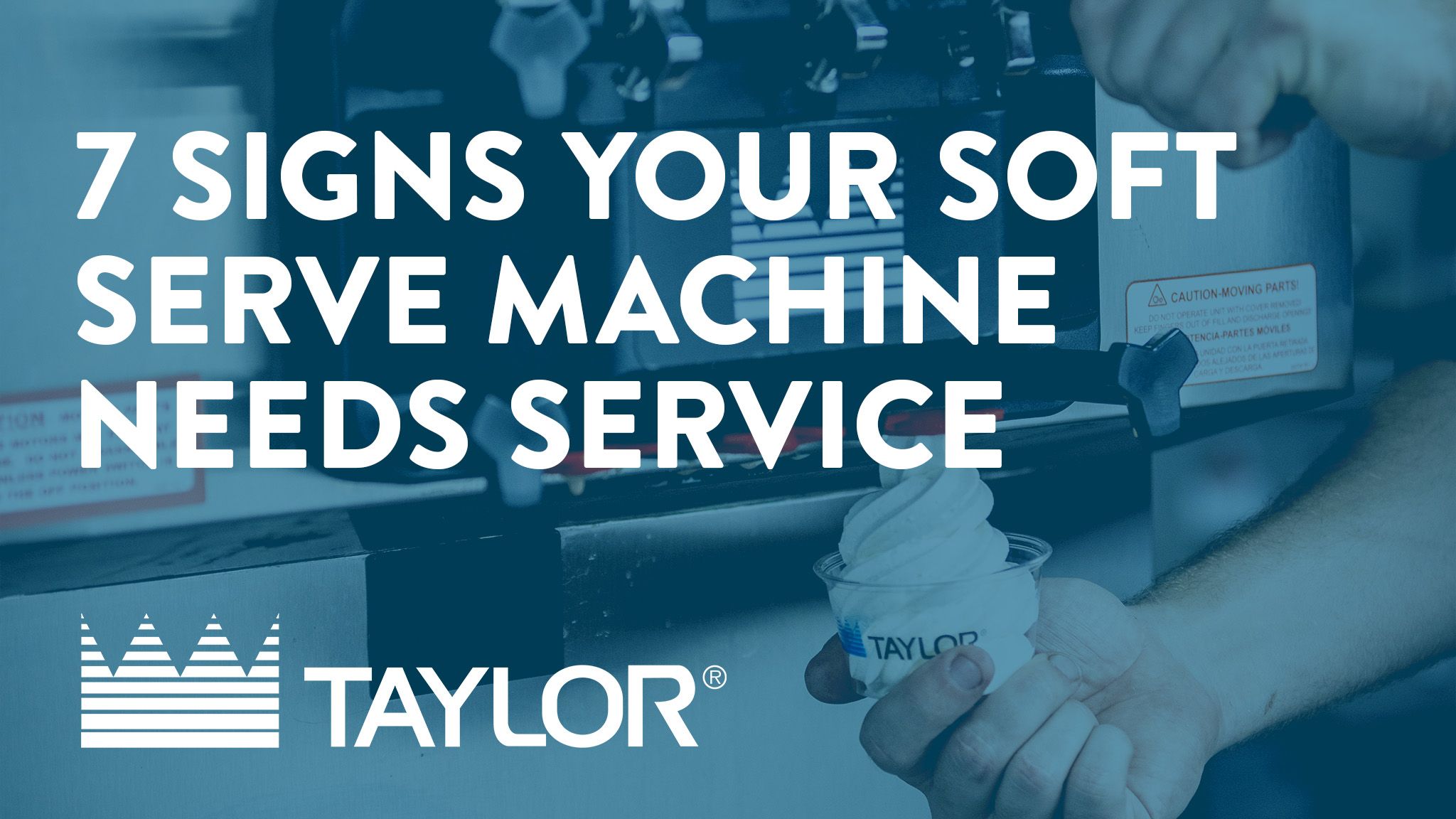
6 Signs Your Commercial Soft Serve Machine Needs Professional Service
Your soft serve machine is one of the hardest-working pieces of equipment in your operation. When it's running well, it's easy to take for granted. When it isn't, you feel it in product quality, service speed, and customer satisfaction. The tricky part is knowing the difference between something your team can manage and something that needs a certified technician. Here are seven signs that it's time to make that call.
Know the Signs Before They Cost You
Most soft serve machine troubleshooting starts with an operator noticing something feels off. The warning signs below go beyond routine maintenance. They point to internal issues that get more expensive the longer they're ignored. If any of these sound familiar, don't wait.
Sign 1: Product Consistency Is Off-Draw to Draw
Soft serve should come out the same way every time. If you're noticing a product that's too soft on one draw and too stiff on the next, or a texture that varies without any change in mix or settings, that inconsistency points to something beyond operator adjustment. Soft serve machine troubleshooting at this level requires a technician who can assess issues beyond just surface settings.
Sign 2: Unusual Sounds or Vibration During Operation
A well-maintained machine runs quietly and smoothly. Grinding, rattling, or unusual vibration during operation are signs that something mechanical is working harder than it should. What starts as a minor mechanical issue can escalate into a much larger issue if it doesn't get looked at by a certified Taylor technician.
Sign 3: Visible Leaking from the Door, Spout, or Seals
Some leaking can be traced back to a worn seal or door gasket that an operator can identify during routine cleaning. But leaking that persists after those checks, or that appears in areas your team can't easily inspect, needs professional attention. Beyond the mechanical concern, any leaking that puts the mix in contact with unintended surfaces is a food safety issue that shouldn't wait.
Sign 4: The Mix Isn't Freezing Down Properly
If your mix is running through the machine without reaching the right consistency, and adjusting viscosity settings hasn't solved it, the problem is likely deeper than a setting. Ice cream machine repair at this level typically involves the refrigeration system, which requires a call for Taylor Authorized Service.
Sign 5: Beater Overload Errors or Mid-Service Shutdowns
A beater overload error that trips once during an unusually busy shift may not be cause for alarm. A machine that keeps shutting down mid-service or repeatedly triggering overload errors is telling you something is wrong with the drive system or the mix consistency. Either way, pushing through it risks damaging key components.
Sign 6: You're Overdue for Scheduled Service
This one doesn't come with a flashing error code, but it's just as important. High-volume soft serve machine maintenance requires regular professional service intervals to stay ahead of wear. If you can't remember the last time a certified technician looked at your machine, that's a sign in itself. Staying current on scheduled service is one of the most effective ways to avoid the other six signs on this list.
Check out our resource, How preventive maintenance saves you thousands in equipment repairs, if you want to understand what's at stake.
What Happens When You Wait Too Long
Deferred service has a way of compounding. What starts as an intermittent error or a minor inconsistency can turn into a breakdown during your busiest service window. Beyond the repair costs, there's the lost revenue from downtime and the food safety risk that comes with a machine that isn't operating correctly. Preventive maintenance for foodservice equipment exists precisely to keep operators out of that situation.
The good news is that most of these issues are very manageable when they're caught early. The key is knowing when to stop troubleshooting and start calling.
Don't Let Small Problems Become Big Ones
Taylor's soft serve equipment is built to perform under real-world demand, and Taylor's authorized distributor network is built to keep it that way. When one of these signs shows up in your operation, genuine parts and authorized service from a certified Taylor technician is the right next step.
Not sure if your machine is due for a checkup? Reach out to your local Taylor distributor and let them take a look. Catching a problem early is always less expensive than waiting for it to catch you.