Frozen Cocktail Machine Buying Mistakes to Avoid
October 29, 2025
How to Know If It’s Time to Upgrade Your Frozen Beverage Equipment
December 5, 2025
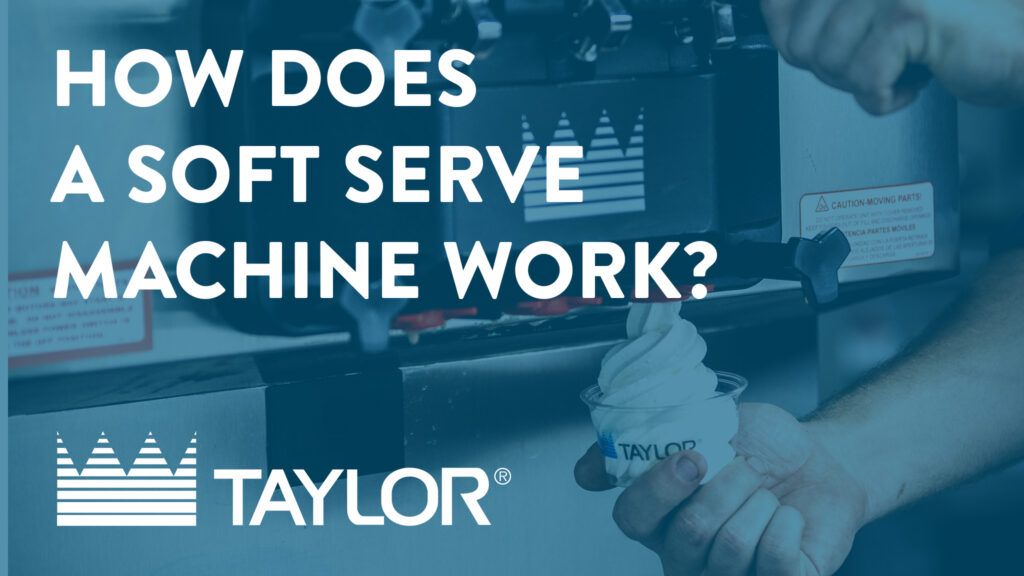
How Does A Soft Serve Machine Work
Ever watched a soft serve cone being made and wondered how it all comes together so perfectly? You’re not alone. A lot of new operators and business owners ask the same question. Learning how a soft serve machine works takes the mystery out of the process—and helps you get better results from day one.
What Is Soft Serve and How Is It Made?
Soft serve starts as a liquid mix that becomes lighter and smoother as air is added and the product begins to freeze. When people ask how does soft serve work, the answer is a combination of chilling, blending, and careful air control.
Understanding how soft serve works helps you see why consistent temperature and motion matter so much to the end product.
Key Components of a Soft Serve Machine
When people look up the parts of a soft serve machine, they are usually surprised at how simple the core setup is. The mix hopper holds the liquid before it moves into the freezing area. The freezing cylinder chills the product while beaters scrape and mix it so no ice crystals form.
The dispenser then controls the final serving. These are the basic parts of a soft serve machine found in commercial equipment, including Taylor Company models.
How Do Gravity and Pump Models Work Differently?
While all machines operate on the same soft serve principle—mix enters the freezing cylinder, air blends in, and the product reaches a soft, creamy texture—the difference lies in how the mix reaches this point. Gravity-fed units allow the mix to flow naturally downward, whereas pump-fed units use an air pump to control the air intake.
This comparison, often referred to as soft serve air pump vs. gravity, allows operators to choose based on desired texture and output.
What Is Overrun and Why Does It Matter for Texture?
Overrun in soft serve describes the amount of air blended into the mix. Higher overrun makes the product feel lighter and fluffier, while lower overrun gives you a denser, richer result. The right amount depends on the type of soft serve experience you want to offer. Once you understand overrun in soft serve, it becomes easier to match your product to customer expectations.
How Does the Freezing Process Work?
Once the mix reaches the freezing cylinder, the walls begin to chill the product. Beaters keep everything moving so the texture stays smooth and consistent. This is the core of the soft serve freezing process. When you understand how the soft serve freezing process works, it’s easier to know when your machine is ready to dispense or when it needs attention. In many Taylor Company models, built-in controls help hold the right temperature so servings stay consistent from start to finish.
How Does Taylor Company Keep Results Consistent?
Taylor soft serve ice cream machines are designed to handle the mix, the air, and the freezing process in stable, predictable ways. Whether you use a gravity-fed model or a pump-fed setup, the freezing cylinder and built-in controls help deliver steady texture and dependable performance.
These details matter because anyone who asks how a soft serve machine works is usually trying to figure out how to get the same swirl every time they pull the handle.
Is Regular Maintenance Required for Proper Operation?
Yes, soft serve machines need consistent cleaning and attention to perform at their best. Food-contact parts must be cleaned on a regular schedule to protect both flavor and safety. For repairs, troubleshooting, and preventive maintenance, work should always be handled by authorized Taylor distributor technicians. This is the best way to protect your equipment and its warranty while keeping the machine running the way it should.
Getting the Process Right
The more you understand about a soft serve machine, the easier it becomes to run one confidently. Once you can picture the mix moving from the hopper to the freezing cylinder and see how the soft serve machine's working principle plays out in real time, everything feels more manageable.
Learning the parts of a soft serve machine, the overrun in soft serve, and the soft serve freezing process puts you in control of choosing equipment that matches your volume.
Frequently Asked Questions
How is soft serve made in a commercial machine?
Soft serve is made by pumping a liquid mix into a freezing cylinder, where a rotating beater scrapes the walls and keeps the product moving as it chills. Air gets incorporated during that process, which is what gives soft serve its smooth, light texture. The mix flows from the hopper or mix bags into the cylinder, freezes to the right consistency, and gets dispensed directly through the draw handle. The whole process happens continuously, which is what makes soft serve different from hard ice cream.
What makes Taylor soft serve ice cream machines different from other commercial options?
Taylor soft serve ice cream machines are built around consistent temperature control and stable air incorporation throughout the entire freezing cycle. The controls are designed to be straightforward for operators while still giving you the ability to fine-tune output. Taylor also backs every machine with a distributor network that handles installation, training, and service, so you're not on your own after the purchase.
How do soft serve machines maintain consistent texture during high-volume service?
Consistency at volume comes down to how well the machine holds temperature and manages overrun as demand increases. Taylor's commercial soft serve machines use built-in controls to monitor the freezing cylinder and maintain stable conditions from the first serving to the last. Recovery time between servings matters too. Machines that can't return to operating temperature quickly will produce inconsistent product during a rush. Taylor equipment is engineered to keep up without sacrificing quality.