Best Commercial Soft Serve Machines for High-Volume Operations: What Operators Should Know
July 2, 2026
Best Commercial Slush Machines for Bars, C-Stores, and High-Traffic Venues
July 9, 2026
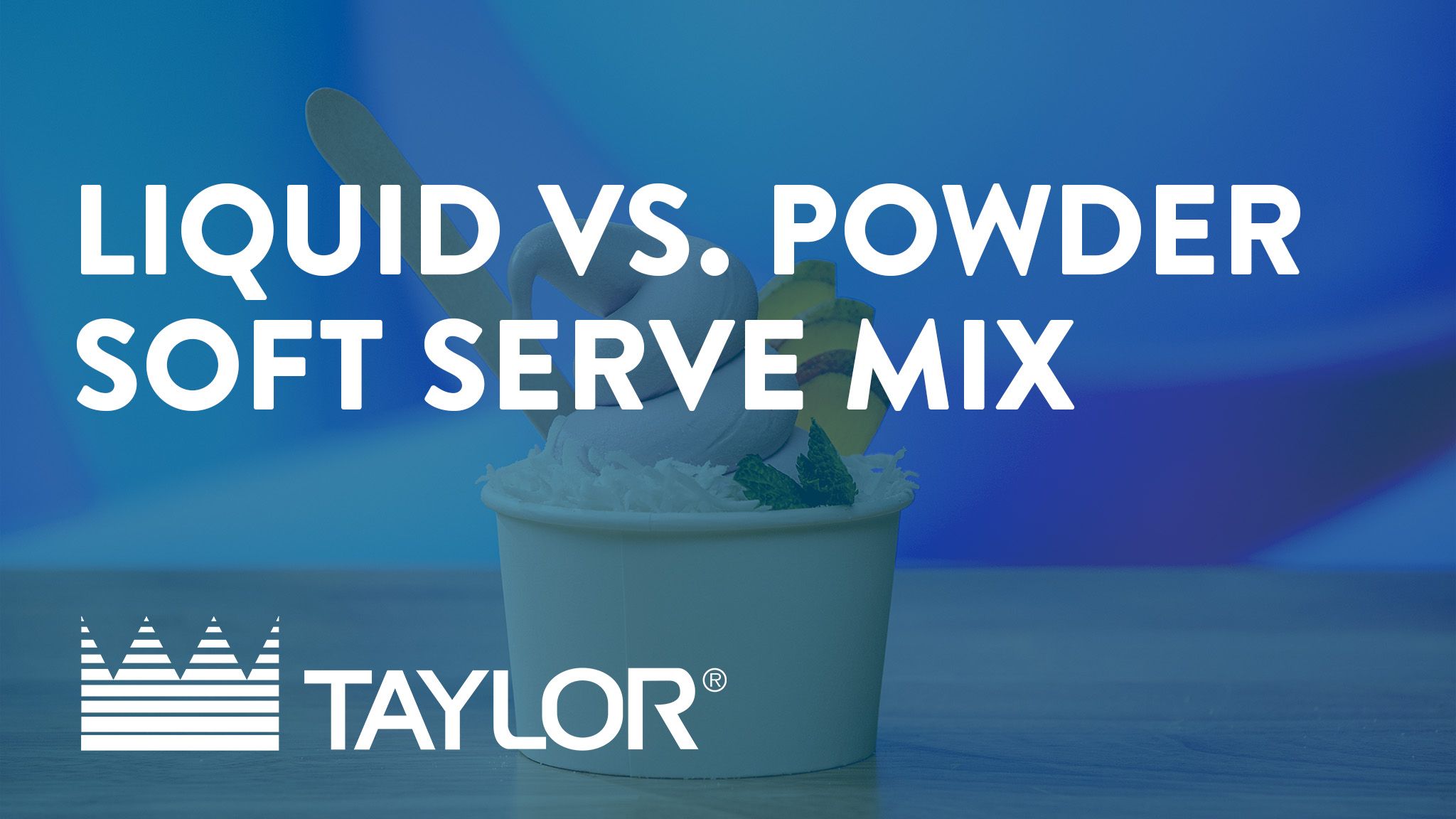
Liquid vs. Powder Soft Serve Mix: Which Is Right for Your Operation?
The machine gets most of the attention, but what goes into it matters just as much as the equipment itself. Choosing between liquid and powder soft serve ice cream mix affects everything from product texture to storage costs to how your operation runs day to day. Get it right and your machine performs the way it was built to. Get it wrong and you're fighting consistency problems that have nothing to do with the equipment.
Here's what operators need to know before making a call on mix type.
What Are the Two Main Types of Soft Serve Mix?
Commercial soft serve machines run on one of two mix formats: liquid or powder. Liquid soft serve ice cream mix comes ready to use and goes straight into the machine. Powder mix, also called dry or powdered soft serve mix, gets reconstituted before it goes in. Both formats work in commercial soft serve machines. Which one works better depends on your operation.
Liquid Soft Serve Mix: How It Works and Where It Fits
Liquid mix is premade and ready to pour. No measuring, no mixing with water, no prep steps between delivery and loading the machine. That simplicity makes it a strong fit for high-volume QSR and ice cream shop environments where speed and consistency matter most.
The tradeoff is shelf life and storage. Liquid soft serve mix requires refrigeration and has a shorter shelf life than powder. For operations with reliable weekly deliveries and enough refrigerated storage, that's usually a manageable constraint.
Powder Soft Serve Mix: How It Works and Where It Fits
Ice cream powder mix is shelf-stable until it's reconstituted. That's a real advantage for operations in remote locations, locations with limited refrigeration capacity, or operators who need to manage inventory less frequently. Powder mix can sit in dry storage for weeks before it's needed.
The preparation step adds a little time and requires accurate measuring. Inconsistent reconstitution ratios can affect product quality, so operators need a repeatable process in place. When that process is dialed in, powdered soft serve mix delivers reliable results.
Side-by-Side Comparison: Liquid vs. Powder Mix for Commercial Operations
|
Factor |
Liquid Mix |
Powder Mix |
|
Prep required |
None |
Reconstitution with water or other liquids |
|
Storage |
Refrigerated/frozen |
Dry/shelf-stable |
|
Shelf life |
Shorter |
Longer |
|
Consistency |
High (ready-to-use) |
Dependent on prep process |
|
Best for |
High-volume, frequent delivery |
Remote locations, limited cold storage |
|
Availability |
Broad |
Broad |
How Mix Type Affects Overrun, Texture, and Product Quality
Mix formulation directly affects overrun, which is the amount of air incorporated into the product during freezing. Higher overrun means a lighter, airier product. Lower overrun means a denser, richer cone. What is soft serve overrun covers this in detail and is worth reviewing before you settle on a mix.
Both liquid and powder formats can produce excellent product when they're matched to the right machine settings. The key is using a mix that falls within the specifications your machine is designed to handle. A Taylor distributor can help confirm compatibility.
Storage, Shelf Life, and Logistics: What Operators Need to Know
Liquid mix needs to stay cold from delivery to loading. If your operation has the refrigerated storage and a reliable delivery schedule, this is straightforward. If you're in a location where cold chain logistics are a challenge, powder gives you more flexibility.
Powder mix needs dry, temperature-controlled storage, but doesn't require refrigeration until it's mixed. That makes it a practical option for ice cream and frozen yogurt operators with limited cold storage or unpredictable supply chains.
Cost Considerations: Which Mix Type Delivers Better Margins?
Mix cost is only part of the margin equation. Factor in waste, consistency, and yield alongside the per-unit cost. Liquid mix tends to be priced higher per unit but delivers a ready-to-use product with minimal prep. Powder mix may have a lower per-unit cost, but the prep process introduces more variables that can affect product consistency and yield if not managed carefully.
The better question isn't which mix is cheaper. It's which mix gives you the most consistent product at the volume you're running. How to buy the right soft serve machine ties machine selection directly to volume and product goals, which is the same frame to apply to mix selection.
Which Soft Serve Mix Type Is Right for Your Operation?
If your operation runs high volume, has consistent delivery, and values prep simplicity, liquid soft serve ice cream mix is usually the better fit. If you need shelf-stable inventory, have limited refrigeration, or operate in a location where delivery frequency is inconsistent, powder gives you more operational flexibility.
Either way, the mix you choose should be matched to your equipment. Taylor's soft serve equipment is designed to perform with both formats when the machine is properly configured.
Not sure where to start? Find a Taylor distributor near you. They can help you work through mix compatibility, machine settings, and anything else standing between your operation and a consistently great product.